Olarin seurakunta
Parish elections 2026
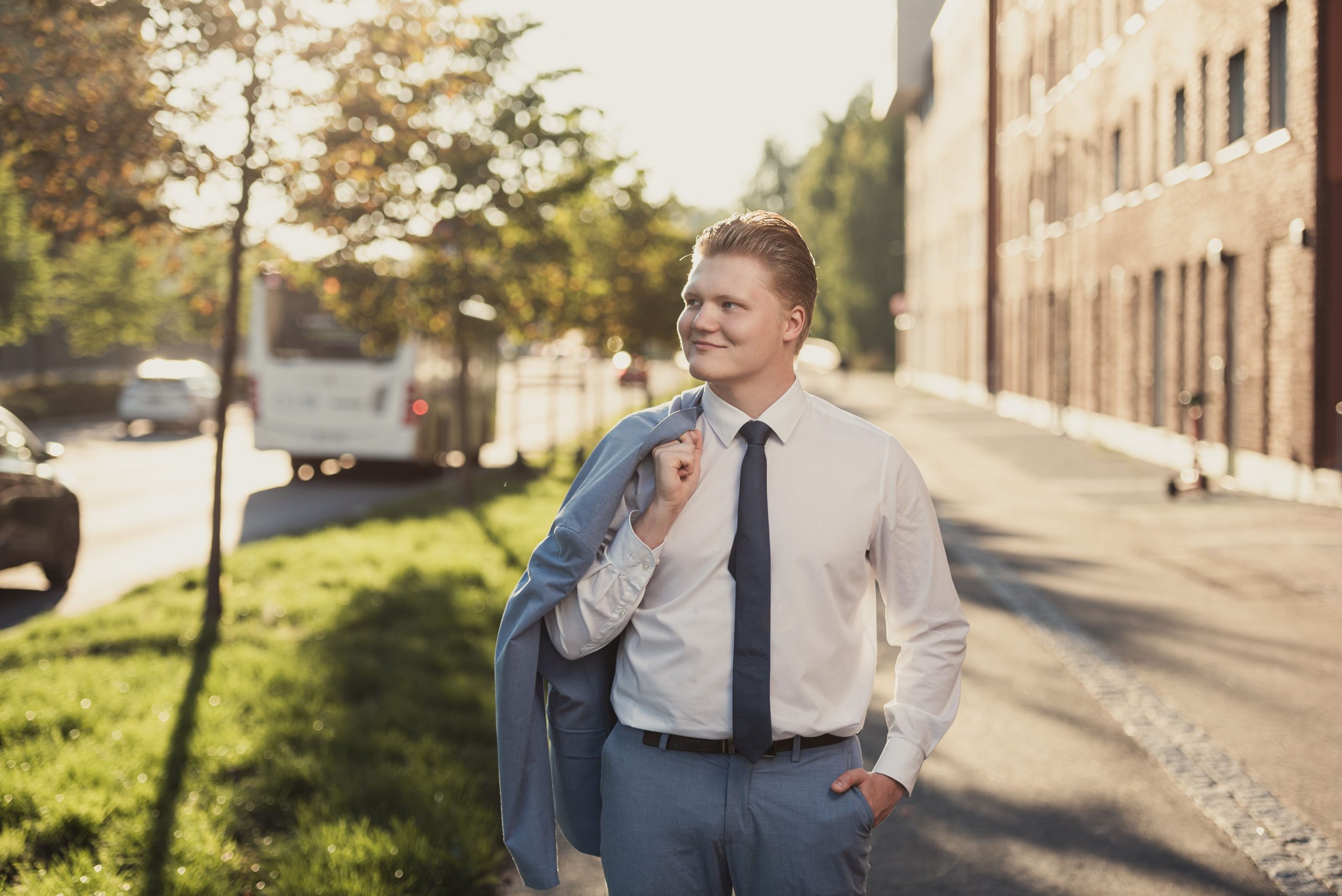
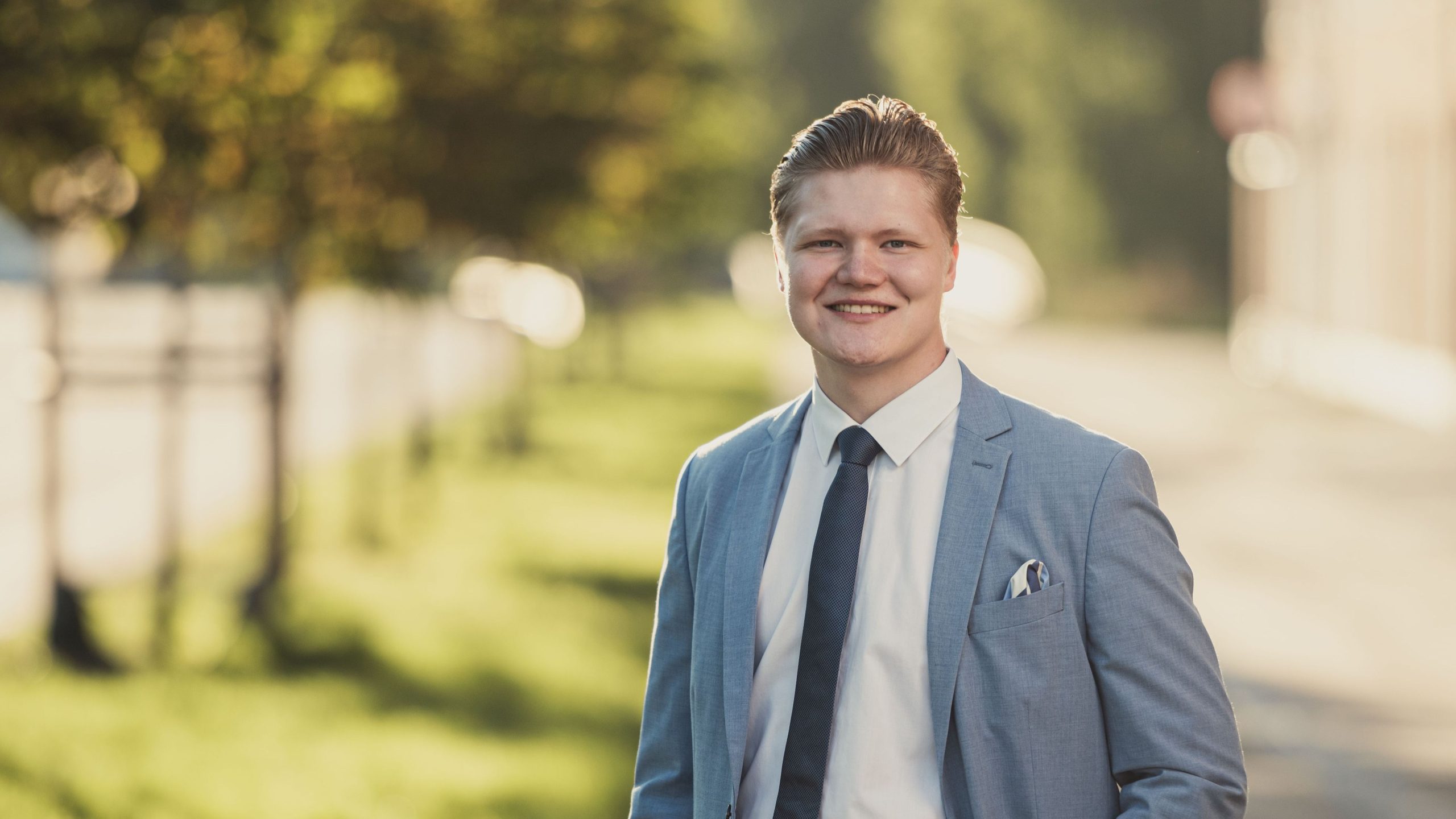
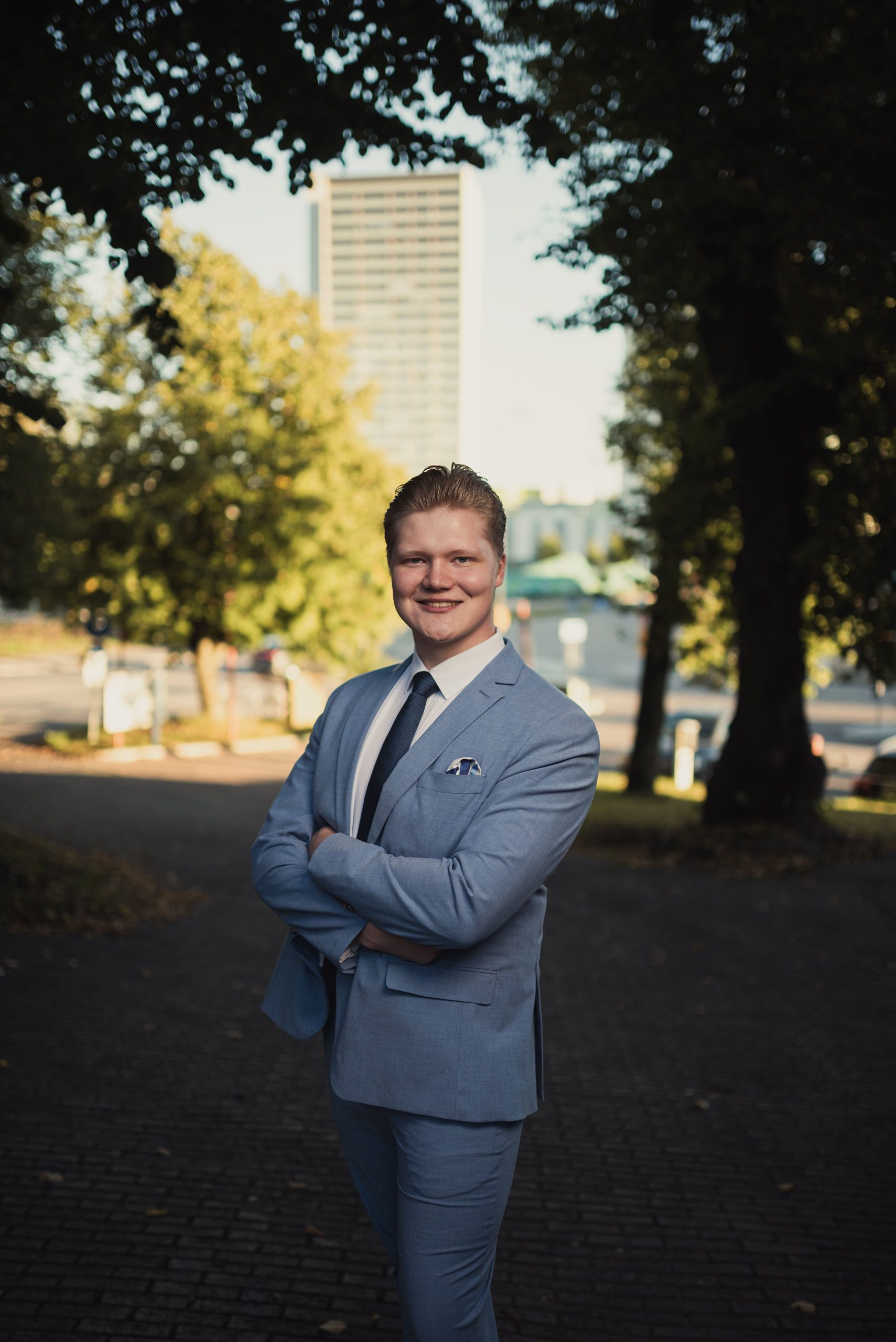
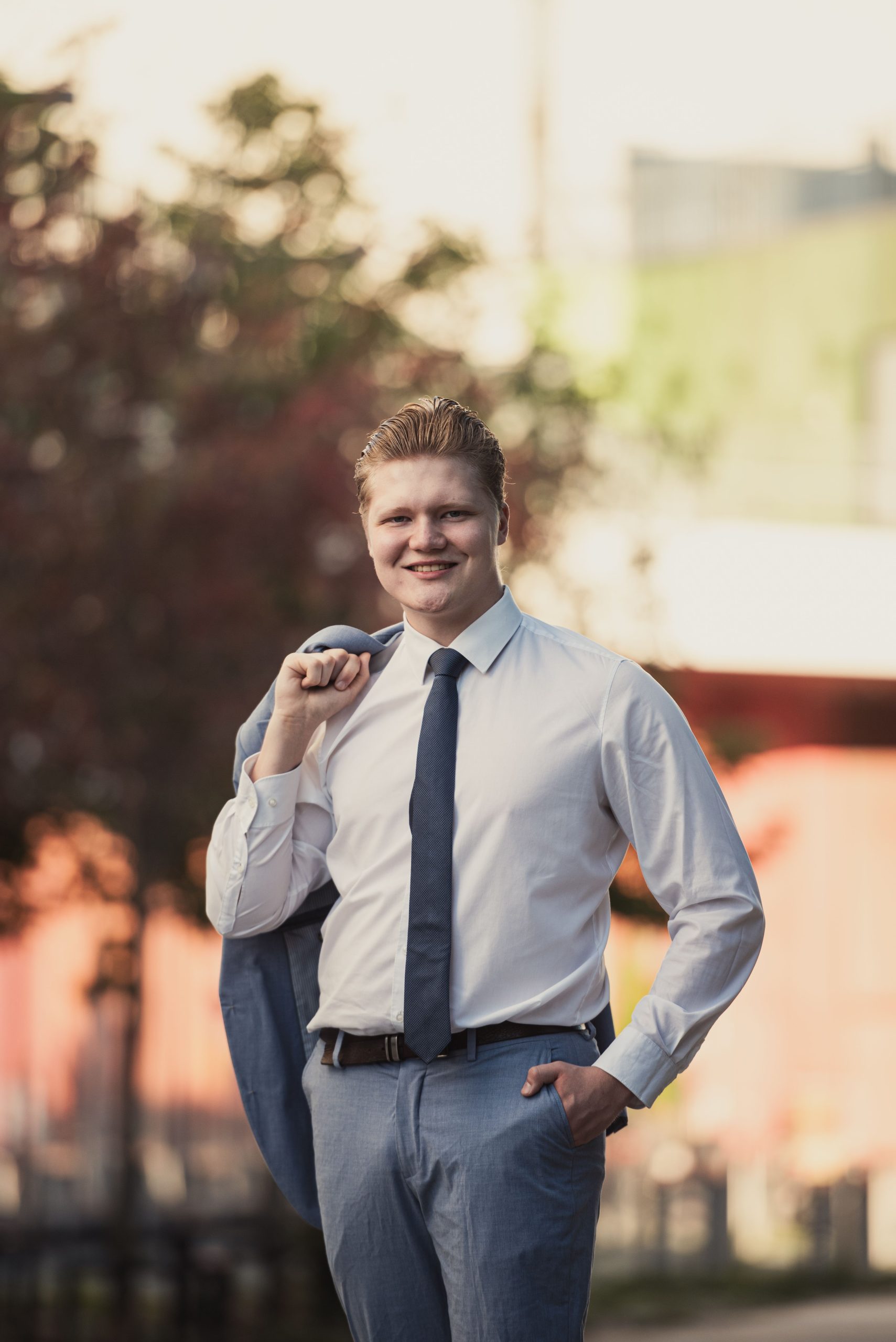
Martti Paldanius · lawyer, LL.M.
Kokoomus ja sitoutumattomat
87Parish councilOrange ballot paper
51Joint church councilWhite ballot paper
A parish that makes good decisions needs credible decision-makers
I am Martti Paldanius, a lawyer from Espoo with a Master of Laws degree. I live with my wife in Niittykumpu. Home, faith and country are important values to me, and they also guide my thinking about the future of the parish.
I want to build a parish where Christian faith is at the heart of everything it does, where children, young people and families receive the attention they deserve, and where shared funds are managed responsibly. The parish should be a place where faith gives life direction, where traditions are carried from one generation to the next, and where people can find fellowship with one another and with God.
Parish elections decide much more than the church’s debate on values. That debate matters, but it often pushes the more everyday decisions about the parish into the background, even though they are often just as significant. The members of the parish council and the joint church council shape what activities the parish offers, where its resources go and how the church’s core mission is carried out in practice. I want to be a decision-maker worthy of trust, who studies the issues, listens to different views and makes considered decisions.
My goals for the parish
1
Families and young people first
Children, young people and families are the parish’s real priority in its activities, staffing and finances.
2
Responsible decision-making
The church tax rate stays at its current level. Shared funds go to the parish’s most important tasks.
3
Christian faith at the centre
The church’s task is to proclaim the gospel, not to follow day-to-day politics.
1. Families and young people first
The future of the parish is built on children, young people and families.
I want children, young people and families to be the real focus of parish life. Their needs should receive special attention when activities are planned, when staff resources are allocated and when financial decisions are made. Support for families must not stop at fine speeches; it has to show in the parish’s everyday choices.
The parish has an important role in supporting children and young people as they grow up. It can offer safe communities, Christian education, meaningful activities and trustworthy adults at different stages of life. The parish can also help families find a community to belong to and draw support from in difficult times. Many people turn to the church for stability amid life’s upheavals.
I want to cherish Finland’s Christian cultural heritage and ensure it remains visible for future generations. Christian holidays, hymns and traditions are a central part of our culture. The summer hymn Suvivirsi, for example, belongs in schools. Cherishing it is part of passing our shared cultural heritage on.
I also believe the parish can offer people stability in a changing world. Life situations, relationships and society change, but the church can be a place where people find community, a spiritual foundation and a sense of continuity. I want to promote a parish that walks alongside people from childhood through youth and into adulthood.
2. Responsible decision-making
Shared funds must be looked after and spent on the parish’s most important tasks.
The parish’s finances and property are not ends in themselves but means of fulfilling its core mission. They must be managed with care and responsibility. Decisions must look beyond today’s needs to the future. The most important question must be what kind of parish we leave to the generations that follow.
I want to keep the church tax rate at its current level. That requires careful financial management, critical review of spending and clear choices about where the parish’s limited resources go. Not everything can be done, so the most important tasks must come first. Setting priorities is at the heart of political decision-making, and I believe my background in municipal politics has prepared me well for it.
The use of parish funds must be planned and transparent. The reasons for decisions must be understandable, and parish members must be able to trust that shared funds are used wisely. The parish’s buildings and other property must also be looked after in a financially sustainable way.
Saving money must not, however, mean forgetting the parish’s core tasks. Worship, spiritual work, children’s and youth work and meeting people all need sufficient resources. Balanced finances matter precisely so that the parish can do the work it exists to do.
As a lawyer, I value care in decision-making. The statutory duties of the church and the parish must be carried out meticulously. I want to bring a considered, long-term approach to the parish’s elected bodies, where the effects of decisions are assessed as a whole.
3. Christian faith at the centre
The church’s most important task is to uphold the Christian faith and the message of the gospel.
In a world where many people are searching for meaning, direction and a lasting foundation for their lives, the church’s spiritual mission has a vital place. The parish should offer Christian, spiritually nourishing content that helps people grow in faith, understand the Christian message and find a connection with God.
I want Christian faith and the church’s teaching to remain at the centre of parish life. The church should be a consistent community of faith that knows its foundations and dares to hold on to them in a changing society. The parish’s task is not primarily to follow the social trends of the day, but to focus on what makes the church the church.
This does not mean ignoring society or the problems of people’s everyday lives. The church’s spiritual work, love of neighbour and encounters with people have a concrete impact on society. In my view, the church should stay out of day-to-day politics, because in the broad picture it represents all Finns. It is impossible to credibly represent the full range of political views among the church’s members. What unites the church is the Christian faith.
I also think it is important that the church is genuinely tolerant towards revival movements and different Christian spiritual traditions. They should be given room to work, so that Christian teaching and our shared foundation of faith remain what unites us.
Differences of opinion within the church must be open to frank and factual discussion. Disagreeing must not stop us from listening to one another and meeting with respect. We may disagree on issues, but we are all human beings, created in the image of God.
Decision-making worthy of trust
The future of the parish is decided both in its broad policies and in everyday decisions. I want to make sure that children, young people and families get the attention they need, that parish finances remain on a sustainable footing and that Christian faith stays at the heart of its work.
For me, responsible decision-making means studying the issues, careful consideration and being ready to justify my views. It also means being able to listen to others and seek solutions that serve the parish as a whole.
I want to be a decision-maker worthy of trust, who holds on to the parish’s core mission and takes responsibility for its future.
How to vote
In advance
3–7 Nov 2026
On election day
Sun 15 Nov 2026
Parish members who turn 16 by election day are eligible to vote.
Get in touch
Questions about the candidacy or parish matters? Send a message using the form below.